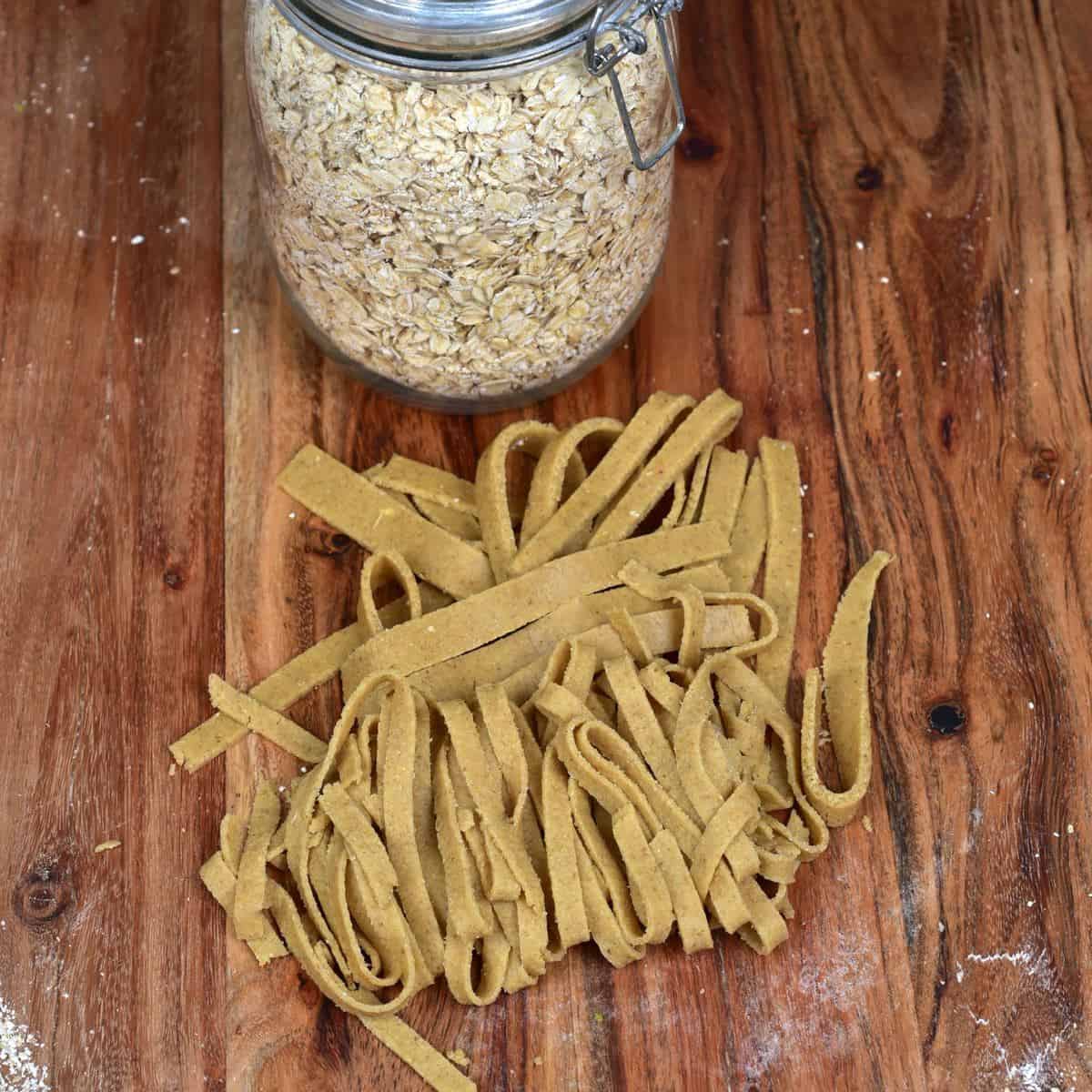
Imagine a bowl of perfectly tender, silky pasta, coated in your favorite sauce. Now imagine that pasta is not only delicious but also gluten-free, high in fiber, and incredibly easy to make right in your own kitchen. Sound too good to be true? Not at all! We're here to show you exactly how to make oat pasta 3 ingredient gluten free pasta that will revolutionize your weeknight meals.
For too long, homemade gluten-free pasta has carried a reputation for being finicky, brittle, or just plain difficult. But with the humble oat, we unlock a simple, satisfying solution. This recipe, requiring just three core ingredients, yields a pasta that's wonderfully pliable, cooks up beautifully, and offers a delightful, slightly nutty flavor profile. It's a game-changer for anyone seeking a nutritious, whole-grain, wheat-free alternative without compromising on taste or texture.
Why Choose Homemade Oat Pasta? Beyond Just Gluten-Free
While the gluten-free aspect is a significant draw, especially for those with celiac disease or gluten sensitivities, the benefits of homemade oat pasta extend far beyond. This isn't just a substitute; it's a superior choice in many ways:
- Nutritional Powerhouse: Oats are renowned for their health benefits. They are a whole grain, packed with soluble fiber, particularly beta-glucans, which are known to help lower cholesterol, stabilize blood sugar levels, and promote gut health. By making your own oat pasta, you're boosting your meal's nutritional value significantly compared to many refined grain options.
- Remarkable Texture: Forget the gritty, crumbly gluten-free pastas of the past. Oat flour, when combined correctly, creates a dough that is surprisingly pliable and results in a cooked pasta that's delightfully tender and silky, holding sauces beautifully.
- Mild, Versatile Flavor: Oat flour has a gentle, slightly sweet, and nutty flavor that complements a wide array of sauces – from robust red ragùs to delicate cream sauces and fresh pesto. It doesn't overpower your dish but rather adds a subtle depth.
- Cost-Effective: Buying specialty gluten-free pasta can be expensive. Making your own from scratch with inexpensive oat flour, eggs, and olive oil is remarkably budget-friendly, allowing you to enjoy gourmet-quality pasta without the hefty price tag.
- Kitchen Confidence: There's immense satisfaction in creating something from scratch, especially a staple like pasta. This easy high-fiber pasta recipe is so straightforward, it will boost your confidence in the kitchen and encourage you to experiment further.
Many commercially available gluten-free pasta options can be a blend of starches, resulting in a less nutrient-dense product. This homemade oat version ensures you're getting whole-grain goodness in every bite, making it a truly wholesome foundation for your meals.
The Essential Three: Ingredients for Your Silky Oat Pasta
The beauty of this recipe lies in its elegant simplicity. You only need three core ingredients, easily found in most pantries or grocery stores, to create this incredible 3 ingredient gluten free pasta:
1. Oat Flour
- The Foundation: Oat flour is simply finely ground rolled oats. You can buy it pre-made, or easily make your own by blending rolled oats in a powerful blender or food processor until a fine flour forms.
- Gluten-Free Purity: For individuals with celiac disease, it's crucial to use certified gluten-free oat flour or certified gluten-free rolled oats if making your own. This ensures there's no cross-contamination from wheat during processing.
- Why it Works: Oat flour provides structure, flavor, and a significant boost of fiber. Its unique properties help create a pliable dough that holds together without gluten.
2. Eggs
- The Binder & Enricher: Eggs are essential for binding the oat flour into a cohesive dough, adding moisture, and providing richness and elasticity. They contribute to the pasta's silky texture and help prevent it from becoming brittle.
- Vegan Option: For a vegan version, you can experiment with flaxseed "eggs" (1 tablespoon ground flaxseed mixed with 3 tablespoons water per egg). Be aware that flax eggs can make the dough a bit more delicate and potentially more brittle, requiring extra care when handling and rolling.
3. Olive Oil
- Moisture & Flexibility: A touch of olive oil adds crucial moisture and flexibility to the dough, making it smoother, easier to knead, and more pliable for rolling. It also contributes a subtle, pleasant flavor.
- Alternatives: If you prefer, another neutral-flavored cooking oil like avocado oil can be used instead of olive oil.
With just these three simple components, you are well on your way to mastering how to make oat pasta 3 ingredient gluten free pasta that rivals traditional versions.
Crafting Your Dough: A Simple Step-by-Step Guide
Making the dough for your homemade oat pasta is a surprisingly straightforward process. You don't need fancy equipment, though a stand mixer can certainly make things even easier.
- Prepare Your Workspace: On a clean work surface, in a large bowl, or in the bowl of your stand mixer, create a mound of your oat flour. Make a well (a crater-like indentation) in the center of the flour.
- Add Liquids: Crack your eggs directly into the well, and then pour in the olive oil.
- Incorporate Gradually: Using a fork (or your fingertips), slowly start to incorporate the flour from the inner edges of the well into the liquid center. Continue mixing until a shaggy, rough dough begins to form.
- Knead Briefly: Once the ingredients are mostly combined, turn the dough out onto a lightly floured surface (using more oat flour). Knead the dough gently for just 3-5 minutes. Unlike wheat pasta, gluten-free pasta doesn't require extensive kneading to develop gluten; you're simply aiming to bring the dough together into a smooth, cohesive ball.
- Rest the Dough: This step is crucial! Place the dough ball in a bowl, cover it tightly with cling film, and let it rest at room temperature for at least 30 minutes. Resting allows the oat flour to fully hydrate and the dough to relax, making it much easier to roll out without tearing or cracking.
- Troubleshooting Tip: If, after resting, your dough still feels a little too crumbly, you can add water, one tablespoon at a time, very sparingly, until it comes together. However, adding too much water can affect the final texture of the pasta, so it's best to avoid it if possible and ensure proper initial ingredient ratios.
Following these steps will ensure you have a perfectly prepared dough, ready for shaping. For more detailed instructions and visual guidance, you can explore resources like this one on how to make 3-ingredient gluten-free oat pasta: easy & high fiber.
Shaping and Serving Your Homemade Oat Noodles
With your rested dough, the fun part begins: turning it into beautiful, edible strands of pasta! You have the flexibility to use a pasta machine or simply a rolling pin and a sharp knife.
Shaping by Hand (No Machine Needed!)
- Divide the Dough: Divide your dough into a few more manageable pieces (e.g., four sections).
- Roll Thin: Lightly dust your work surface with extra oat flour. Take one piece of dough and, using a rolling pin, roll it out as thinly as you can. Aim for about 2-3mm thickness – the thinner, the more delicate your pasta will be. You want a long, thin sheet.
- Cut Your Pasta: For perfectly uniform noodles, you can trim the "scraggly" edges of your rolled-out dough sheet. Then, use a sharp knife or a pizza cutter to cut the dough into long strips of your desired thickness. Think wide strips for pappardelle, slightly narrower for tagliatelle or fettuccine, or very thin for spaghetti-like strands.
Using a Pasta Machine
If you have a pasta machine, this process becomes even easier. Lightly dust your dough piece and feed it through the widest setting, gradually decreasing the thickness until you reach your desired pasta thickness. Then, use the cutting attachment for your preferred noodle shape.
Cooking Your Fresh Oat Pasta
Fresh homemade pasta cooks much faster than dried pasta. Bring a large pot of salted water to a rolling boil. Carefully add your fresh oat pasta and cook for approximately 2-4 minutes, or until al dente. The cooking time will vary slightly depending on the thickness of your noodles. Taste a piece to ensure it's cooked to your liking.
Creative Serving Suggestions
Once cooked, immediately toss your hot oat pasta with your favorite sauce. Its mild flavor pairs beautifully with almost anything:
- Classic Italian: A simple marinara, creamy Alfredo, or a vibrant pesto.
- Hearty & Wholesome: Pair with a mushroom ragù, slow-cooked Bolognese (vegan or meat-based), or our recommended homemade tofu or 'Shroom balls for a protein-packed meal.
- Fresh & Light: Toss with roasted vegetables, cherry tomatoes, fresh herbs, garlic, and a drizzle of good olive oil.
- Unique Pairings: The subtle nuttiness of oats can be lovely with brown butter and sage, or even a lemon-herb sauce.
Storage Options
One of the great advantages of making your own pasta is the ability to store it for later enjoyment. For tips on maximizing the freshness and longevity of your homemade oat noodles, including drying and freezing methods, be sure to check out unlock nutritious pasta: make 3-ingredient gluten-free oat noodles.
Making your own oat pasta is more than just a recipe; it's an experience. It's about taking simple, wholesome ingredients and transforming them into something truly delicious and nourishing. This how to make oat pasta 3 ingredient gluten free pasta method empowers you to enjoy fresh, high-fiber, silky noodles any day of the week. So, gather your ingredients, clear your counter, and get ready to create a meal that will impress your taste buds and nourish your body. Happy cooking!
