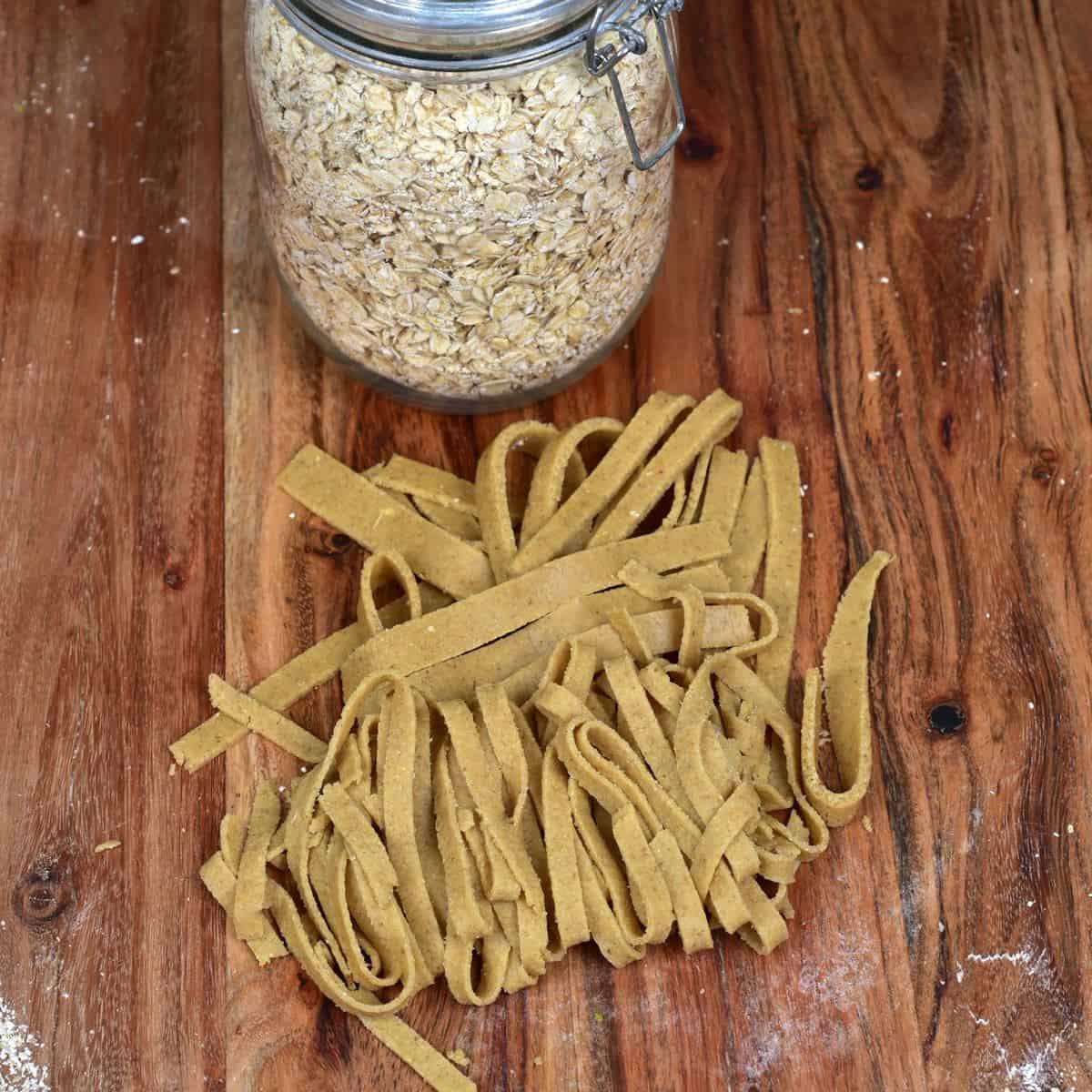
Unlock the Secret to Effortless & Nutritious Pasta: How to Make 3-Ingredient Gluten-Free Oat Pasta
Imagine a bowl of warm, comforting pasta, perfectly al dente, coated in your favorite sauce. Now imagine that pasta is not only gluten-free and packed with fiber but also incredibly simple to make from scratch with just three basic ingredients. Sounds like a dream? It's not! We're diving into the world of homemade oat pasta, a game-changer for anyone seeking a healthier, more accessible alternative to traditional wheat or store-bought gluten-free options. While the pasta aisle might be brimming with varieties made from lentils, chickpeas, or corn, oat pasta is still a hidden gem. Yet, it offers a distinct advantage: a naturally wholesome, whole-grain base that's both cost-effective and surprisingly versatile. In this comprehensive guide, we'll walk you through exactly how to make oat pasta 3 ingredient gluten free pasta that will elevate your weeknight meals and impress your dinner guests. Get ready to transform humble oat flour into delicious, tender noodles!The Magic Trio: Understanding Your 3 Essential Ingredients
The beauty of this recipe lies in its minimalist approach. You truly only need three components to create a fantastic gluten-free oat pasta dough. Let's break down each one and why they're crucial:- Oat Flour: The Wholesome Foundation
This is the star of our show. Oat flour provides a delightful, subtly nutty flavor and a wealth of soluble fiber, which is fantastic for digestive health. It's also naturally gluten-free – but a crucial caveat: if you have celiac disease or a severe gluten sensitivity, always opt for *certified gluten-free oat flour*. Regular oats can be cross-contaminated with wheat during processing. You can either purchase oat flour directly or easily make your own by blending certified gluten-free rolled oats in a high-speed blender or food processor until a fine flour forms. This DIY method is often more economical and ensures freshness. - Eggs: The Binder & Enricher
Eggs play a vital role in binding the oat flour together, providing structure, and adding a rich, tender quality to the pasta. They contribute to the dough's elasticity and allow it to be rolled out without crumbling. For those looking for a vegan alternative, flaxseed "eggs" (1 tbsp ground flaxseed + 3 tbsp water per egg, rested for 5 minutes) can work, but be aware that the dough might be slightly more brittle and a little harder to work with. You might need to adjust water content slightly to achieve the right consistency. - Olive Oil: For Smoothness & Suppleness
A good quality olive oil adds a lovely silkiness to the dough, making it more pliable and easier to handle. It also contributes to the final texture of the cooked pasta, giving it a desirable chewiness. If you don't have olive oil on hand, another neutral-flavored cooking oil like avocado oil or even a light vegetable oil can be substituted without significantly impacting the final result.
Crafting Your Dough: The Simple Steps to Oat Pasta Perfection
One of the most intimidating parts of making pasta from scratch is often the dough preparation. However, with this 3-ingredient oat pasta, it’s remarkably straightforward. There's no need for elaborate techniques or long kneading times.- Gather Your Workspace: You can prepare this dough directly on a clean work surface, in a large mixing bowl, or even in a stand mixer fitted with a dough hook. Using a work surface allows for a more traditional, tactile experience.
- Form the Well: If using a work surface or bowl, pour your oat flour into a mound. Use your fingers or the bottom of a bowl to create a deep well in the center, like a volcano crater.
- Add Liquids: Crack your eggs into the well, followed by the olive oil.
- Slowly Incorporate: Using a fork, your fingertips, or the stand mixer, gently begin to whisk the eggs and oil in the center, slowly pulling in small amounts of oat flour from the edges of the well. Continue this process until most of the flour has been incorporated and a shaggy, rough dough starts to form.
- Knead Until Smooth: Turn the rough dough out onto your lightly floured (with oat flour) work surface. Knead the dough for just a few minutes until it comes together into a cohesive, smooth ball. Unlike wheat pasta, gluten-free doughs don't require extensive kneading to develop gluten; you're simply aiming to ensure all ingredients are evenly distributed and the dough is uniform.
- The Crucial Rest: This step is non-negotiable for gluten-free pasta. Wrap your dough tightly in plastic film or place it in a bowl covered with a damp cloth, and let it rest at room temperature for at least 30 minutes. This resting period allows the oat flour to fully hydrate, making the dough much more pliable, less sticky, and easier to roll without tearing.
- Troubleshooting Tip: If, after resting, your dough still feels too crumbly, you can add water *one tablespoon at a time*, kneading it in until the dough reaches a more manageable consistency. However, adding water can sometimes slightly alter the final texture of the cooked pasta, so it's generally best to avoid if possible.
From Dough to Delight: Shaping Your High-Fiber Noodles
Once your dough has rested, it's time for the fun part: shaping! You can achieve beautiful noodles with or without a pasta machine.By Hand (Rolling Pin Method):
- Divide and Dust: Divide your dough into a few more manageable pieces (e.g., four sections). Lightly dust your work surface and rolling pin with additional oat flour to prevent sticking.
- Roll Thin: Take one piece of dough and begin rolling it out with your rolling pin. Work from the center outwards, rotating the dough frequently to ensure even thickness. Aim for a thickness of about 2-3mm, or as thin as you can get it without tearing, forming a long, rectangular sheet.
- Cut Your Noodles: For classic shapes like tagliatelle or pappardelle, you have two options:
- Folding Method: Lightly dust the rolled-out sheet with oat flour, then gently fold it over itself several times (like a letter). Using a sharp knife, cut across the folded dough to create strips of your desired width. Unfurl them immediately and toss gently with a little more oat flour to prevent sticking.
- Direct Cutting: Trim off any "scraggly" edges to create a neater rectangle. Then, use a sharp knife or a pizza cutter to slice the dough into long, even strips.
- Prevent Sticking: As you cut the pasta, immediately separate the strands and lightly dust them with a little extra oat flour. You can lay them flat on a baking sheet dusted with flour or coil them into small nests until ready to cook.
With a Pasta Machine:
If you have a pasta machine, it makes the shaping process even easier and more consistent. Divide the dough into smaller pieces. Flatten one piece slightly with your hands and run it through the widest setting of your pasta machine. Fold the dough, lightly dust, and repeat several times until it's smooth. Then, gradually work your way down to thinner settings (usually setting 5 or 6 for a good pasta thickness). Once you have a long, thin sheet, feed it through the desired cutter attachment (tagliatelle, fettuccine, etc.) to create uniform noodles.
For more detailed instructions on shaping and cooking, including useful tips for perfect results, you might find our article Unlock Nutritious Pasta: Make 3-Ingredient Gluten-Free Oat Noodles very helpful.
Cooking and Enjoying Your Homemade Oat Pasta
Cooking your fresh oat pasta is quick and simple, much faster than dried pasta.- Boil Water: Bring a large pot of heavily salted water to a rolling boil. Salting the water generously is key to flavoring the pasta from within.
- Add Pasta: Gently add your fresh oat pasta to the boiling water. If you've made nests, carefully drop them in.
- Cook Briefly: Fresh pasta cooks very quickly, typically in 2-4 minutes, depending on its thickness. Stir gently to prevent sticking. Taste a piece to check for al dente perfection.
- Drain & Serve: Once cooked, drain the pasta immediately. You can reserve a little of the starchy pasta water to help thin your sauce, if needed.
The Abundant Benefits of This High-Fiber, Gluten-Free Gem
Beyond its incredible simplicity, making your own 3-ingredient gluten-free oat pasta offers a wealth of advantages:- Nutritional Powerhouse: Oats are known for their high fiber content, including beta-glucan, which can help lower cholesterol and regulate blood sugar. This pasta provides a truly whole-grain option, often lacking in typical gluten-free diets.
- Naturally Gluten-Free: A safe and delicious choice for those with gluten sensitivities or celiac disease, provided you use certified gluten-free oats.
- Cost-Effective: Making pasta from scratch, especially with affordable pantry staples like oat flour, is significantly cheaper than buying premium gluten-free pasta from the store.
- Customization: You control the ingredients, ensuring no unwanted additives or allergens. You can experiment with herbs in the dough for extra flavor!
- Pure Satisfaction: There's an undeniable joy and pride in serving a meal crafted entirely from scratch, especially something as impressive as homemade pasta.
