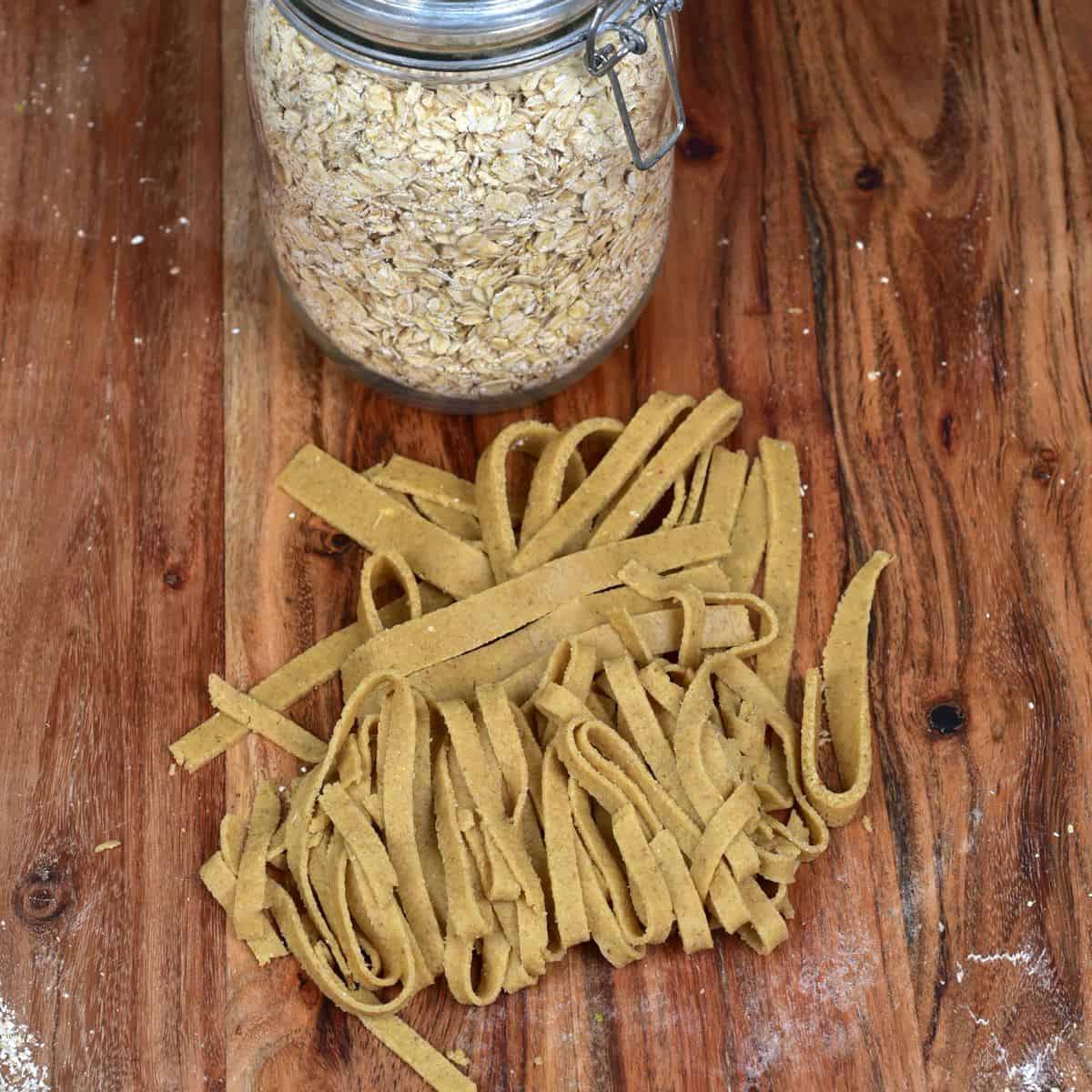
Imagine a world where wholesome, fiber-rich pasta is not only gluten-free but also incredibly simple to make right in your own kitchen. For too long, the idea of homemade pasta, especially for those navigating gluten sensitivities or celiac disease, felt daunting. But what if we told you that creating delicious, nutritious noodles could be as easy as combining just three basic ingredients?
Enter the marvel of oat pasta. This isn't just another gluten-free alternative; it's a game-changer. Forget the often-bland or crumbly store-bought options. With a handful of oat flour, a couple of eggs, and a drizzle of olive oil, you can unlock a world of silky, tender, and deeply satisfying pasta that's perfect for any sauce, any dish, and any dietary need. This comprehensive guide will walk you through how to make oat pasta 3 ingredient gluten free pasta, transforming your approach to healthy eating with ease and flavor.
The Magic Behind 3-Ingredient Gluten-Free Oat Pasta
While the gluten-free market has seen an influx of alternative pastas made from ingredients like lentils, chickpeas, or peas, oat pasta is still a relatively new star on the scene. Yet, it brings a unique set of benefits that make it an undeniable contender for your go-to homemade option. So, what makes this 3-ingredient wonder so special?
- Nutritional Powerhouse: Oats are renowned as a whole grain, packed with dietary fiber, particularly beta-glucan, which is known for its heart-healthy benefits and ability to promote satiety. This means your oat pasta isn't just delicious; it's a genuinely nutritious component of your meal, contributing to better digestion and sustained energy.
- Naturally Gluten-Free (with a caveat): Oats themselves are naturally gluten-free. However, it's crucial for individuals with celiac disease or severe gluten sensitivities to opt for certified gluten-free oat flour to avoid cross-contamination that can occur during processing.
- Cost-Effective and Accessible: Compared to specialty gluten-free pastas that can be pricey, making your own oat pasta is incredibly economical. Oat flour, eggs, and olive oil are pantry staples, making this a budget-friendly way to enjoy fresh pasta regularly.
- Superior Texture and Flavor: Unlike some gluten-free pastas that can be gummy or fall apart, oat pasta often boasts a delightfully tender, silky texture. It holds up well to various sauces and offers a subtle, pleasant flavor that complements rather than competes with your culinary creations.
Embracing homemade oat pasta means taking control of your ingredients, ensuring freshness, and enjoying a truly wholesome meal without compromise. It’s an easy way to elevate your weeknight dinners or impress guests with minimal fuss.
Gathering Your Simple Ingredients: What You'll Need
The beauty of this recipe lies in its elegant simplicity. You genuinely only need three core components, each playing a vital role in creating your perfect gluten-free noodles.
- Oat Flour: This is the backbone of your pasta. For the best results and peace of mind, especially if you have gluten sensitivities, opt for certified gluten-free oat flour. You can purchase it pre-made, or easily create your own at home by blending rolled oats (again, ensure they are certified gluten-free) in a high-speed blender or food processor until a fine flour forms. Homemade oat flour tends to be fresher and often more cost-effective. The flour provides the structure and much of the nutritional value.
- Eggs: Eggs act as the primary binder in this recipe, providing structure, elasticity, and richness to the dough. They contribute to that desirable silky texture and help the pasta hold together during shaping and cooking.
- Vegan Alternative: If you follow a vegan diet, flaxseed eggs can be a suitable substitute. To make one flax egg, combine 1 tablespoon of ground flaxseed with 3 tablespoons of water and let it sit for 5-10 minutes until it thickens into a gel-like consistency. Be aware that flaxseed egg dough might be slightly more brittle and require gentler handling, but it's a viable option for a plant-based version.
- Olive Oil: A good quality olive oil adds a touch of richness and helps to make the dough more pliable and less prone to cracking. It also contributes to the final pasta's smooth, tender mouthfeel. You can use extra virgin olive oil for a hint of flavor or a more neutral cooking oil like avocado oil if preferred.
That's it! With these three simple ingredients, you're ready to embark on your pasta-making journey. For those seeking an extra layer of stability in gluten-free dough, a tiny pinch of xanthan gum (around 1/2 teaspoon per cup of flour) can be added, though it's not strictly necessary for this foundational recipe and would technically make it a 4-ingredient pasta. We recommend trying it without first to appreciate the inherent quality of oat flour.
Crafting Your Dough: Step-by-Step for Perfect Oat Noodles
The process of making the dough is surprisingly forgiving, even for beginner pasta makers. Whether you prefer a traditional approach or the convenience of modern appliances, you can achieve a wonderfully pliable dough.
Mixing Your Dough: The Foundation
- Choose Your Method: You can prepare the dough directly on a clean work surface, in a large mixing bowl, or even using a stand mixer with a dough hook attachment. Each method works effectively.
- Combine Ingredients: If using a work surface or bowl, create a mound with your oat flour and make a well in the center, like a volcano. Crack the eggs into the well, and then add the olive oil.
- Incorporate Gradually: Using a fork, your fingertips, or the stand mixer, slowly begin to incorporate the liquid ingredients from the well into the surrounding flour. Start from the inner edges of the well and gradually draw in more flour. Continue until a shaggy, rough dough forms.
- Knead to Perfection: Turn the rough dough out onto a lightly floured surface (if you started in a bowl) and begin to knead. Unlike wheat pasta, which requires extensive kneading to develop gluten, gluten-free oat pasta needs only a short kneading period—just enough to bring the ingredients together into a smooth, cohesive ball. Aim for about 5-7 minutes of kneading until the dough feels uniform and slightly elastic.
Troubleshooting Dough Consistency:
- Too Crumbly? If your dough feels overly dry and crumbly, preventing it from coming together, add water one tablespoon at a time. Knead after each addition until the dough becomes cohesive. Be cautious, as adding too much water can make the final pasta less firm, though it often makes the dough easier to work with.
- Too Sticky? If the dough is excessively sticky and difficult to handle, add a very small amount of oat flour (a teaspoon at a time) and knead it in until the stickiness subsides. Factors like humidity and egg size can influence dough consistency, so a slight adjustment is perfectly normal.
The Crucial Rest Period
Once your dough is smooth and pliable, it's essential to give it some time to rest. Place the dough in a bowl and cover it tightly with plastic wrap, or simply wrap the dough ball directly in cling film. Let it rest at room temperature for at least 30 minutes. This resting period is critical for gluten-free doughs, as it allows the oat flour to fully hydrate, resulting in a more manageable, less sticky, and easier-to-roll dough. It makes a significant difference in the final texture and your ease of handling.
Shaping Your Noodles: From Dough to Deliciousness
With a perfectly rested dough in hand, it's time for the exciting part: transforming it into beautiful noodles. You have the flexibility to choose between traditional hand-rolling or the convenience of a pasta machine.
Manual Rolling vs. Pasta Machine
Before you begin, lightly dust your work surface with a little extra oat flour. Divide your dough into a few more manageable pieces, typically two to four, to make the rolling process easier.
- Rolling by Hand: This method is wonderfully rustic and satisfying.
- Take one piece of dough and place it on your floured surface. Use a rolling pin to roll the dough out as thinly as you can. Aim for approximately 2-3mm initially, then continue rolling to your desired thickness. The thinner you roll it, the more delicate your pasta will be.
- Once rolled into a large, thin sheet, you can achieve more precise noodles by trimming off any 'scraggly' edges to create a uniform rectangle.
- Dust the sheet lightly with oat flour, then gently fold it over itself a few times. Using a sharp knife, slice the folded dough into long strips of your desired width—from fine fettuccine to wider tagliatelle or pappardelle. Gently unfurl the noodles.
- Using a Pasta Machine: A pasta machine offers consistent thickness and speed, making the process even more streamlined.
- Start with the widest setting on your machine. Flatten a piece of dough slightly and run it through the machine.
- Fold the dough in half or in thirds, dust lightly with oat flour, and pass it through the widest setting again. Repeat this step a couple of times; this helps to further smooth and strengthen the dough.
- Gradually adjust the machine to narrower settings, passing the dough through each setting until you reach your desired thinness. Lightly dust the dough with oat flour between passes if it starts to feel sticky.
- Once rolled to the desired thickness, attach the appropriate cutter to your machine (e.g., for tagliatelle or spaghetti) and feed the pasta sheet through to create your noodles.
Tips for Handling Gluten-Free Pasta
Gluten-free doughs can sometimes be more delicate than their wheat counterparts. Here are some pro tips:
- Work Quickly: While resting the dough helps, try to work efficiently once you start rolling and cutting.
- Don't Skimp on Flour Dusting: Generously dust your work surface, rolling pin, and the dough itself with oat flour as needed. This prevents sticking, which is crucial for handling GF pasta.
- Prevent Sticking After Cutting: As you cut your noodles, gently separate them and lay them out in a single layer on a lightly floured baking sheet or clean kitchen towel. You can also hang them on a pasta drying rack if you have one. This prevents them from clumping together before cooking.
Cooking and Serving Your Homemade Oat Pasta
The final step is to bring your beautiful homemade noodles to life!
Cooking Your Oat Pasta
Bring a large pot of generously salted water to a rolling boil. Add your fresh oat pasta to the boiling water, stirring gently to prevent sticking. Fresh pasta cooks much faster than dried pasta, especially gluten-free varieties. Depending on the thickness of your noodles, they will typically be ready in just 2-4 minutes. Cook until 'al dente' – tender but still with a slight bite. Drain immediately.
Serving Suggestions and Preservation
Your homemade oat pasta is incredibly versatile. It's the perfect canvas for almost any sauce! Pair it with a vibrant marinara, a creamy Alfredo, a fresh pesto, or a rich bolognese. Add your favorite vegetables and protein – whether it's homemade tofu meatballs, pan-seared chicken, or fresh seafood – to create a truly delicious and nutritious meal.
Storage and Preservation:
- Immediate Use: Fresh pasta is always best enjoyed right after it's made and cooked.
- Drying: For longer storage, you can dry your oat pasta. Lay the separated noodles on a floured surface or hang them on a drying rack in a cool, dry place. Turn them periodically. This process can take 12-24 hours depending on humidity. Once completely dry and brittle, store them in an airtight container at room temperature for several weeks.
- Freezing: Arrange fresh, uncooked noodles in individual nests on a lightly floured baking sheet and freeze until solid (about 30-60 minutes). Once frozen, transfer the nests to a freezer-safe bag or container. They can be stored for up to 2-3 months. Cook directly from frozen by dropping them into boiling water; they may take an extra minute or two to cook.
Learning how to make 3-ingredient gluten-free oat pasta is a culinary revelation. It offers a healthier, more flavorful, and highly customizable alternative to store-bought options, empowering you to create incredible meals from scratch. The satisfaction of serving your family and friends this wholesome, homemade pasta is truly unparalleled.
Embrace the simplicity and versatility of this incredible recipe. With just three ingredients and a little love, you can transform your kitchen into an artisanal pasta shop, delivering delicious, nutritious, and undeniably satisfying meals every time. So go ahead, roll up your sleeves, and dive into the delightful world of homemade oat noodles. You'll wonder why you didn't start sooner! For more detailed insights and step-by-step visuals, don't forget to check out our related article on Easy Homemade Oat Pasta: 3 Ingredients for a Silky, Gluten-Free Meal.
